How Rubber Safety Products Reduce Site Injuries in Industrial Workplaces
At Rayflex, workplace safety remains one of the most important priorities for our customers across industrial sectors. Warehouses, manufacturing facilities, construction sites, logistics centres, and distribution hubs all present unique operational hazards that can lead to serious injuries if not properly managed.
Heavy machinery, forklift traffic, slippery floors, exposed cables, and poorly organised workspaces are among the leading causes of workplace accidents. Businesses that fail to address these risks often face costly downtime, damaged equipment, compensation claims, and reduced productivity.
This is where Rayflex rubber safety products play a vital role. Designed specifically for demanding industrial environments, these durable safety systems help reduce accidents, improve operational control, and create safer working conditions for employees and visitors alike.
From anti-slip matting and cable protectors to dock bumpers and impact barriers and bollards, industrial rubber products provide practical and cost-effective site safety solutions that help businesses minimise risk while maintaining efficient operations.
Why Workplace Injuries Occur in Industrial Environments
Many workplace injuries are preventable and often result from poor site organisation, insufficient safety equipment, or inadequate hazard control measures.
Common causes of industrial injuries include:
- Slippery or contaminated flooring
- Poor pedestrian and vehicle separation
- Forklift and vehicle collisions
- Exposed cables and trip hazards
- Inadequate loading bay protection
- Poor visibility in operational zones
- Lack of impact protection around equipment and structures
Industrial sites are fast-paced environments where even small hazards can quickly lead to accidents. Implementing reliable warehouse safety products and protective rubber products can help businesses reduce these risks while improving day-to-day operational safety.
-
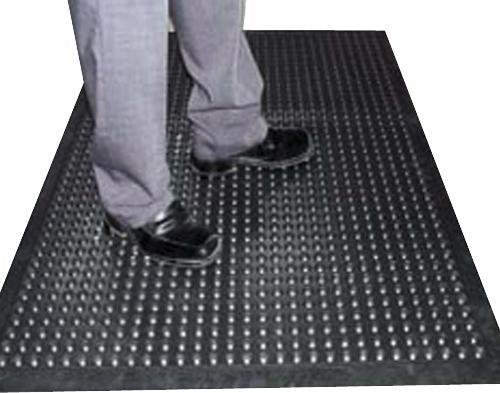
Reducing Slip and Trip Hazards with Anti-Slip Matting
Slips, trips, and falls remain one of the leading causes of workplace injuries across industrial sectors. Wet floors, oil contamination, dust build-up, and high foot traffic can all create dangerous walking surfaces.
Installing anti-slip matting is one of the most effective ways to improve floor safety in industrial environments.
Benefits of Anti-Slip Rubber Matting
High-quality rubber matting helps:
- Improve traction on slippery surfaces
- Reduce the risk of falls
- Provide drainage in wet areas
- Minimise employee fatigue in standing zones
- Protect flooring from wear and damage
Industrial-grade rubber matting is commonly used in:
- Warehouse walkways
- Factory production lines
- Loading bays
- Entrance areas
- Workshops
- Food production environments
Rubber flooring systems are particularly valuable in environments exposed to moisture, chemicals, grease, or debris where conventional flooring can quickly become hazardous.
Many businesses also install drainage mats in wet working environments to prevent water accumulation and improve overall floor safety.
-
Protecting Pedestrians from Vehicle Traffic
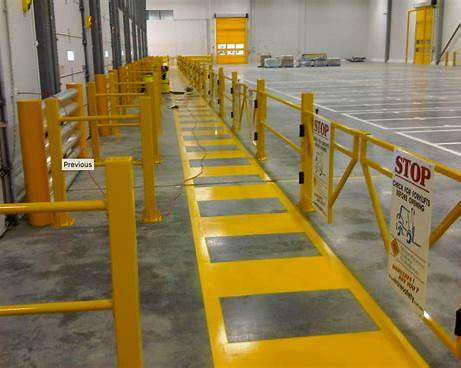
Industrial facilities often involve constant movement from forklifts, pallet trucks, delivery vehicles, and operational machinery. Without proper traffic management systems in place, pedestrian accidents can occur quickly.
Rubber-based traffic control systems help separate operational movement zones while improving visibility and site organisation.
Common Traffic Management Safety Products
Popular industrial rubber products for traffic management include:
- Rubber wheel chocks
- Speed ramps
- Traffic separators
- Pedestrian barriers
- Warehouse lane dividers
- Forklift safety barriers
These systems help:
- Clearly define vehicle routes
- Separate pedestrians from machinery
- Reduce collision risks
- Improve warehouse traffic flow
- Protect high-risk operational areas
By creating designated movement zones, businesses can significantly reduce the likelihood of workplace vehicle accidents.
-
Minimising Injuries with Impact Protection Systems
Forklift impacts and accidental collisions can cause serious injuries and extensive structural damage within industrial facilities.
Installing reliable impact protection systems helps absorb collision forces while protecting both personnel and infrastructure.
Common Rubber Impact Protection Products
Widely used impact protection solutions include:
These products are designed to cushion impacts from moving equipment while reducing damage severity.
For example, warehouse racking systems are highly vulnerable to forklift collisions. Rubber racking protection helps absorb impact energy, reducing structural damage and improving operational safety.
Similarly, rubber wall guards and corner protectors help prevent injuries in narrow operational spaces where machinery movement is frequent.
Investing in impact protection also reduces maintenance costs by protecting buildings, shelving systems, loading docks, and operational equipment from avoidable damage.
-
Improving Cable and Hose Safety
Loose cables and hoses create major trip hazards in warehouses, construction sites, and temporary workspaces.
Exposed hoses are also vulnerable to crushing damage from forklifts and operational vehicles.
Rubber cable protection systems help businesses maintain safer and more organised working environments.
Benefits of Cable Protection Systems
Cable and hose protection products help:
- Secure loose cables
- Prevent trip accidents
- Protect hoses from vehicle damage
- Improve site organisation
- Reduce equipment downtime
These systems are especially useful in:
- Temporary construction zones
- Event sites
- Industrial workshops
- Warehouses
- Outdoor operational areas
Heavy-duty rubber cable protectors are designed to withstand vehicle traffic while maintaining safe pedestrian access.
By improving cable management, businesses can reduce clutter and create cleaner, safer operational environments.
-
Enhancing Visibility and Hazard Awareness
Poor visibility is a major contributing factor in many industrial accidents. Employees must be able to clearly identify pedestrian walkways, hazard zones, traffic routes, and restricted areas at all times.
Many warehouse safety products are manufactured using high-visibility colours such as yellow and black to improve hazard awareness.
High-Visibility Safety Solutions
Examples include:
- Hazard marking systems
- Rubber speed ramps
- Corner guards
- Dock bumpers
- Traffic separators
- Safety barriers
Improved visibility helps employees:
- Navigate workspaces more safely
- Identify operational hazards quickly
- Maintain safe movement patterns
- Avoid restricted areas
In busy industrial facilities where noise levels and vehicle movement are constant, visual safety systems play a critical role in accident prevention.
-
Supporting Safer Loading Bays
Loading bays are among the highest-risk operational areas in industrial facilities. Vehicle movement, reversing manoeuvres, and loading operations all create potential safety hazards.
Rubber dock protection systems help improve loading bay safety while reducing costly structural damage.
Common Loading Bay Safety Products
Popular loading bay protection systems include:
- Dock bumpers
- Rubber wheel guides
- Wheel chocks
- Dock buffers
- Vehicle restraint systems
These solutions help:
- Cushion vehicle impacts
- Improve docking alignment
- Reduce trailer movement
- Protect loading bay structures
- Improve driver safety
Dock bumpers, in particular, absorb impact energy when delivery vehicles reverse into loading areas, helping prevent damage to both buildings and transport vehicles.
Wheel chocks also provide essential safety by preventing unintended vehicle movement during loading and unloading procedures.
-
Improving Workplace Organisation and Operational Efficiency
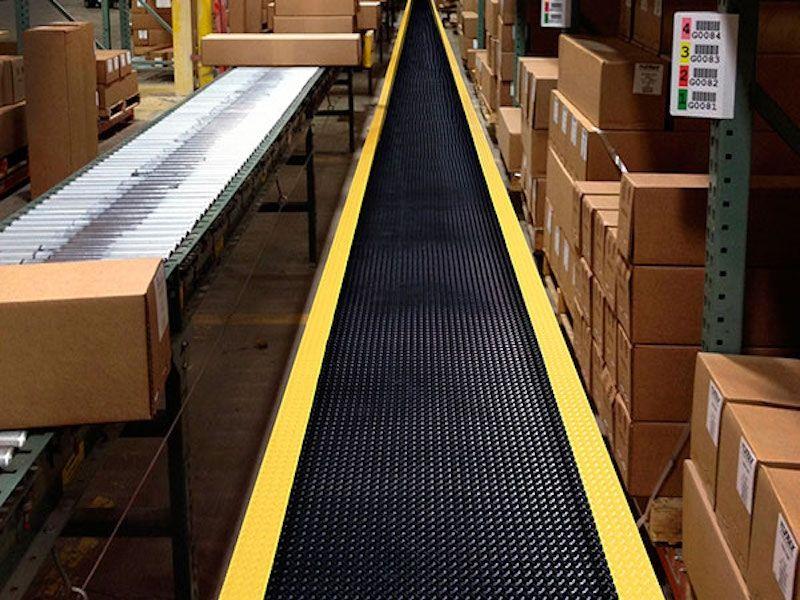
A disorganised workplace significantly increases accident risk. Poorly defined traffic routes, cluttered storage areas, and uncontrolled movement zones create confusion and safety hazards.
Rubber safety systems help businesses establish better workplace structure and operational control.
How Rubber Safety Products Improve Organisation
Industrial safety products help create:
- Clearly defined pedestrian walkways
- Controlled traffic routes
- Designated storage zones
- Safer loading areas
- Improved workflow separation
Improved organisation supports:
- Faster operational movement
- Better hazard management
- Reduced workplace confusion
- Increased productivity
- Enhanced employee confidence
A well-organised site not only reduces injury risk but also contributes to smoother and more efficient business operations.
-
Long-Term Durability in Demanding Industrial Environments
One of the key advantages of industrial rubber products is their durability.
Industrial environments place constant pressure on safety systems through heavy traffic, equipment impacts, changing weather conditions, and ongoing operational wear.
High-quality rubber safety products are specifically designed to withstand these demanding conditions.
Key Benefits of Industrial Rubber Safety Systems
Industrial rubber products offer:
- High impact resistance
- Excellent slip resistance
- Weather resistance
- UV protection
- Low maintenance requirements
- Long operational lifespan
- Economical
Unlike many temporary safety solutions, durable rubber products continue performing effectively even in high-traffic environments.
This makes them a cost-effective long-term investment for businesses focused on workplace safety and operational reliability.
The Business Benefits of Investing in Site Safety Solutions
While workplace safety is primarily about protecting people, investing in effective site safety solutions also delivers significant business advantages.
Reduced Workplace Injuries
Fewer accidents help businesses lower compensation claims, reduce absenteeism, and improve workforce wellbeing.
Lower Equipment and Property Damage
Impact protection systems reduce costly repairs to:
- Buildings
- Racking systems
- Vehicles
- Loading bays
- Machinery
Improved Compliance
Industrial safety products help businesses meet workplace safety standards and improve overall compliance with health and safety regulations.
Increased Productivity
Safer and better-organised workplaces operate more efficiently with fewer disruptions and delays.
Enhanced Professional Image
Well-maintained safety systems demonstrate professionalism and commitment to employee welfare, helping businesses build trust with staff, clients, and visitors.
Choosing the Right Rubber Safety Products
Selecting the correct safety systems depends on the specific operational risks within a facility.
Businesses should assess:
- Traffic movement patterns
- Slip hazards
- Loading bay risks
- Impact exposure areas
- Pedestrian routes
- Environmental conditions
Working with experienced suppliers ensures businesses receive suitable products designed for industrial-grade performance.
Quality safety systems should offer:
- Heavy-duty construction
- High visibility
- Easy installation
- Long-term durability
- Compliance with industry standards
Conclusion
Rubber safety products play a critical role in reducing workplace injuries across warehouses, construction sites, manufacturing facilities, and industrial environments.
From anti-slip matting and cable protection systems to traffic management products and impact protection systems, these solutions help businesses create safer, more organised, and more efficient operational environments.
By investing in durable industrial rubber products and effective site safety solutions, companies can reduce accidents, minimise equipment damage, improve compliance, and support long-term operational performance.
A proactive approach to workplace safety not only protects employees but also strengthens productivity, reduces operational costs, and helps businesses build safer industrial environments for the future.