
How to Improve Warehouse Safety in High-Traffic Areas
Improve Warehouse Safety and Reduce Accidents in Busy Operational Zones
Warehouse safety is one of the most important priorities for modern businesses, here we look to review warehouse safety and how Rayflex can help.
High-traffic warehouse environments where forklifts, pallet trucks, warehouse staff, and delivery vehicles operate simultaneously in confined spaces, small site safety oversights can result in costly accidents, injuries, downtime, and compliance issues.
Businesses that think about and invest in warehouse safety improvements not only protect employees but also improve productivity, reduce operational disruptions and property damage, and lower long-term insurance and maintenance costs.
Here we explain and hope to open the conversation on how to improve warehouse safety in high-traffic areas, the most common risks businesses face, and the practical solutions Rayflex offer that can assist in creating safer and more efficient warehouse environment. We offer many bespoke site safety solutions that aren’t advertised on our website but we will happily advise and quote where appropriate on your total site requirements.
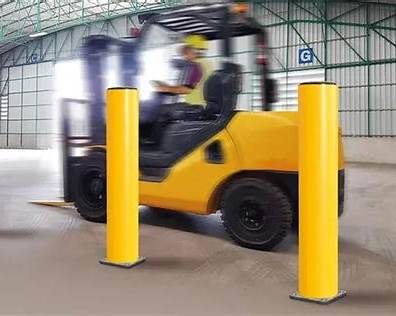
Why Warehouse Safety Matters in High-Traffic Areas
High-traffic warehouse zones are particularly vulnerable to accidents because they involve constant movement of people, vehicles, and materials. Loading bays, aisle intersections, picking zones, and pedestrian walkways often become congestion points that increase the likelihood of collisions and injuries.
Common warehouse safety risks include:
- Forklift and pedestrian / building collisions
- Poor visibility around corners and blind spots
- Slips, trips, and falls
- Falling goods and unstable loads
- Inadequate traffic management systems
- Poor floor markings and signage
- Lack of protective barriers
- Congested access routes
According to the UK Health and Safety Executive (HSE), workplace transport accidents remain one of the leading causes of serious injuries in warehouses and industrial environments.
-
Separate Pedestrians and Vehicles
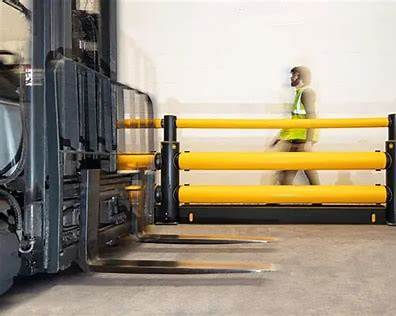
One of the most effective ways to improve warehouse safety is to clearly and visibly separate pedestrian walkways from forklift and vehicle routes.
Businesses should install:
- Dedicated pedestrian walkways
- Physical safety barriers
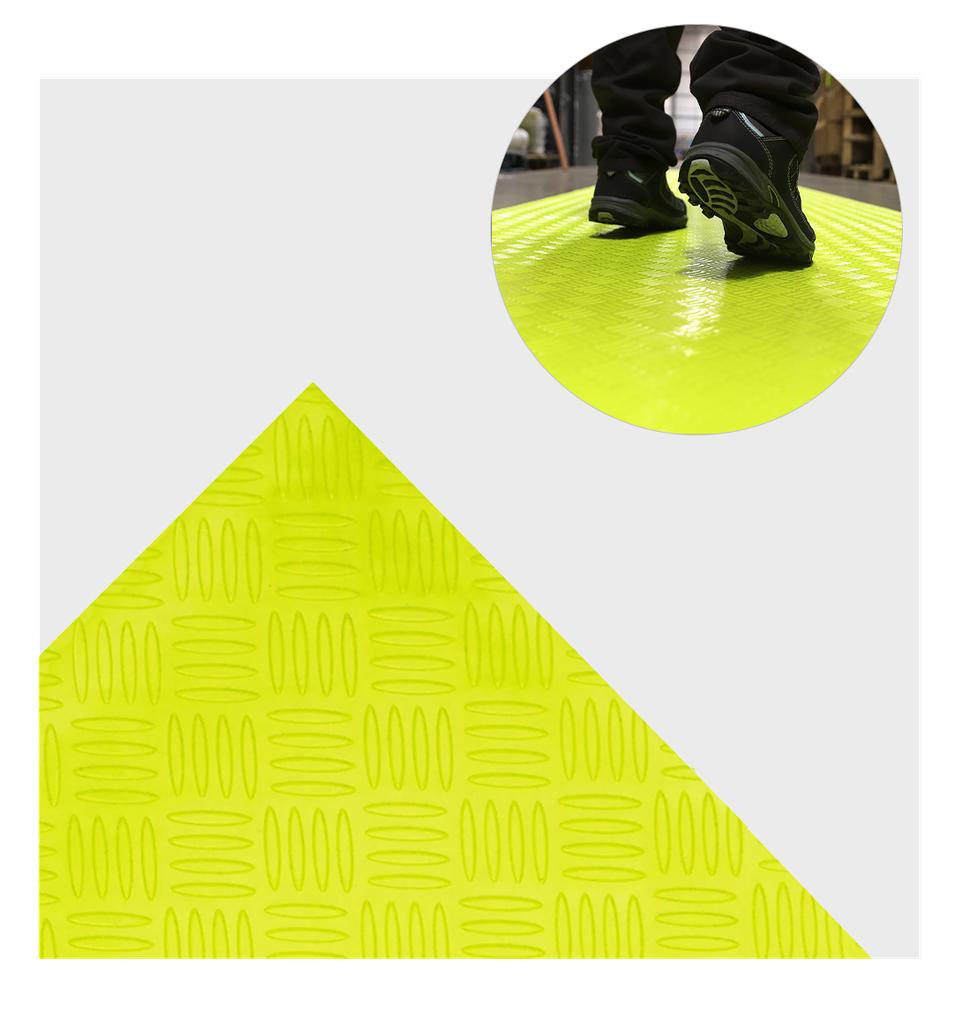
- High-visibility floor markings
- Designated crossing points
- Speed restriction zones – contact us for our range of speed bumps
Creating clear traffic flow systems reduces confusion and significantly lowers the risk of vehicle-related incidents.
For warehouses with heavy forklift activity, installing impact-resistant barriers and guard rails can provide additional protection for staff and infrastructure.
-
Improve Visibility Throughout the Warehouse
Poor visibility is a major cause of warehouse accidents, especially in busy operational areas.
Improving visibility can include:
- Installing convex safety mirrors at blind corners – contact us for our range of mirrors.
- Increasing warehouse lighting levels
- Using illuminated warning signs
- Marking hazardous areas with reflective tape
- Implementing visual warning systems for moving vehicles
Modern warehouse safety systems can also include motion sensors, warning lights, and pedestrian detection technology to reduce accident risks in high-traffic environments.
-
Implement Clear Warehouse Traffic Management
A structured warehouse traffic management plan helps control movement throughout the facility and reduces unnecessary congestion.
An effective traffic management strategy should include:
- One-way vehicle systems
- Clearly marked loading and unloading areas
- Defined forklift routes
- Restricted access zones
- Speed limit enforcement
- Vehicle parking procedures
- Emergency access routes
Warehouse operators should regularly review traffic flow patterns to identify bottlenecks and potential hazards.
-
Use Safety Barriers and Protective Equipment
Warehouse barriers are essential for protecting workers, machinery, storage systems, and building infrastructure.
Common warehouse protection systems include:
- Pedestrian safety barriers
- Forklift impact barriers
- Column protectors
- Rack protection systems
- Guard rails
- Safety gates
- Bollards
These systems help reduce damage caused by accidental impacts while improving overall warehouse safety compliance.
Choosing durable, industrial-grade safety equipment is especially important in high-traffic warehouses where repeated impacts are common.
-
Maintain Clear Floor Markings and Signage
Warehouse floor markings and signage provide essential visual guidance for employees and vehicle operators.
Best practices include:
- Colour-coded walkways
- Clearly marked hazard zones
- Directional arrows
- Emergency exit markings
- Loading bay indicators
- Forklift crossing warnings
Regularly inspecting and refreshing faded floor markings helps maintain visibility and compliance with workplace safety standards.
-
Train Employees on Warehouse Safety Procedures
Even the best warehouse safety systems are ineffective without proper staff training.
Warehouse employees should receive regular training on:
- Forklift awareness
- Safe pedestrian movement
- Emergency procedures
- Hazard reporting
- PPE requirements
- Loading and unloading safety
- Manual handling practices
Ongoing refresher training ensures employees remain aware of changing warehouse layouts, procedures, and risks.
-
Carry Out Regular Warehouse Safety Inspections
Routine warehouse inspections help identify safety risks before accidents occur.
Safety audits should assess:
- Barrier condition
- Floor damage
- Lighting quality
- Traffic congestion points
- Signage visibility
- Storage stability
- Equipment maintenance
Preventative maintenance and regular risk assessments are essential for maintaining long-term warehouse safety performance.
Benefits of Improving Warehouse Safety
Investing in warehouse safety improvements provides several long-term benefits:
- Reduced workplace accidents
- Lower building repair and insurance costs
- Improved employee confidence and morale
- Increased operational efficiency
- Better compliance with HSE regulations
- Reduced downtime and disruption
- Protection for stock, racking, and equipment
Proactive management of warehouse safety also demonstrates a strong commitment to employee wellbeing and operational excellence.
Final Thoughts
Improving warehouse safety in high-traffic areas requires a combination of planning, staff training, traffic management, and protective infrastructure.
By separating vehicles and pedestrians, improving visibility, maintaining clear signage, and investing in modern safety systems, businesses can create safer and more efficient warehouse operations.
Whether you operate a distribution centre, manufacturing facility, or logistics warehouse, safety improvements can reduce accidents, protect employees, and support long-term operational success.
For businesses looking to improve warehouse safety in high-traffic areas, Rayflex Group provides a range of industrial safety and site protection solutions designed for demanding warehouse and logistics environments. From pedestrian safety barriers and impact protection systems to warehouse traffic management solutions, Rayflex Group helps businesses reduce accidents, protect employees, and improve operational efficiency.